

When temperatures rise, many households keep their air conditioner running almost non-stop.
But is that actually good for your AC? Should you let your air conditioner rest, or is continuous operation completely fine?
This question is more important than people think, because how you operate your AC directly affects its lifespan, cooling performance, electricity consumption, and long-term maintenance costs.
In this article, we break down whether your AC needs rest, how often, why it matters, and how to manage your cooling habits without sacrificing comfort.
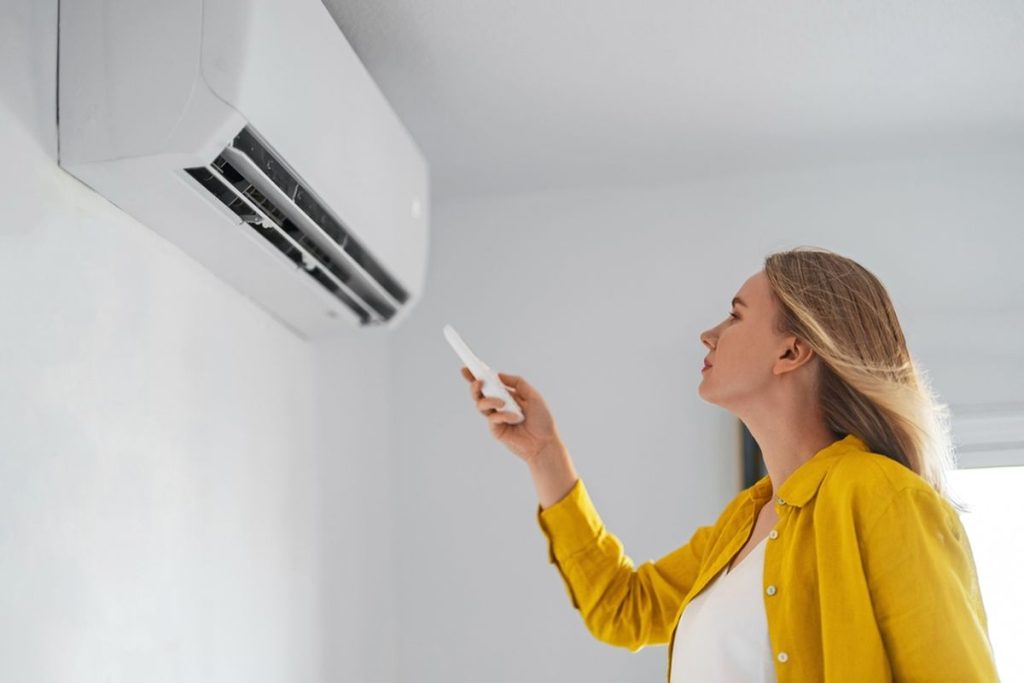
In general, air conditioners can run for long hours because they’re designed to handle continuous operation.
In many buildings like offices, data centers, and malls, ACs run 24/7 without any resting period.
However, household ACs are not built the same way. They have smaller components, are exposed to irregular maintenance, and often run in poor airflow conditions.
So while they can run continuously, it doesn’t mean they should.
Letting your AC “rest” isn’t about giving it a break like a human, it’s about giving the system time to stabilize temperatures, reduce mechanical strain, and prevent overheating or wear.
In simpler terms, your AC doesn’t need rest, but strategic rest keeps it healthier and longer-lasting.

Here are the main reasons why giving your AC occasional downtime is a smart idea.
Running an AC for long hours, especially during hot weather, can cause the compressor, fan motor, control board, and wiring to heat up excessively.
When temperatures stay high for too long, these parts wear out faster.
Turning off your aircon for even 15–30 minutes lets the system cool down and reduces the chance of early mechanical failure.
AC power usage spikes when the system struggles to cool an uninsulated room or a space exposed to sunlight.
Allowing your AC to rest during cooler periods like early mornings or late nights reduces unnecessary energy consumption.
Even short cycling (frequent on-off cycles) wastes energy. Controlled intervals help maintain efficiency.
Air conditioners that get occasional rest tend to last longer.
When your AC rests, you reduce mechanical load, refrigerant pressure buildup, and continuous strain on the compressor.
Over years, this results in fewer major repairs.
Many AC issues come from frozen coils, excessive condensation, or clogged drainage.
If your AC runs non-stop, ice doesn’t melt and condensation doesn’t evaporate. Rest periods help the evaporator coil regain optimal temperature balance.
You don’t need a strict schedule, just rest your AC during these conditions.
1. When the Room Has Already Cooled Down
If the room is already cold but the AC keeps running due to very low temperature settings (like 16–18°C), it stresses the machine unnecessarily.
Set your AC at 24–26°C or switch to fan mode.
2. During Early Morning or Late Night
Outdoor temperatures drop after midnight. Letting your AC rest during these cooler periods helps reduce strain.
3. When You’re Not in the Room
Leaving the AC running in an empty room overworks the system. If you’ll be away for 30 minutes to 2 hours, turn it off.
4. When You Notice Signs of Overwork
Your AC likely needs a period of rest if you begin noticing any of the following warning signs, which typically indicate that the system is experiencing strain or operating under less-than-ideal conditions:
Here are practical ways to give your AC rest while staying cool.
1. Use a Timer Feature
Set your AC to turn off after you fall asleep (2–3 hours).
2. Combine AC with a Ceiling or Stand Fan
Fans circulate cool air, reducing AC running hours.
3. Ensure Regular AC Servicing
A well-maintained AC needs less rest. Proper cleaning and servicing improve airflow and cooling.
4. Reduce Heat Sources in the Room
Close curtains, avoid heat-generating appliances, and reduce sunlight exposure to lessen AC load.
So, Should You Let Your AC Rest?
Yes, especially for household use.
Letting your AC rest helps avoid overheating, reduce electricity bills, extend lifespan, prevent strain on components, and improve cooling.
You don’t need long rest periods, just smart usage and proper servicing.

If your AC is overworking, noisy, leaking, or not cooling efficiently, it may need professional servicing.
JK Aircon provides a comprehensive range of services designed to keep your air conditioning system running efficiently and prevent issues caused by overuse or lack of maintenance.
From routine upkeep to complex troubleshooting, our team ensures your AC receives the care it needs to stay reliable and long-lasting. Our services include:
Book your service today and keep your cooling system in top condition!